The 1952 Wheaties Cards
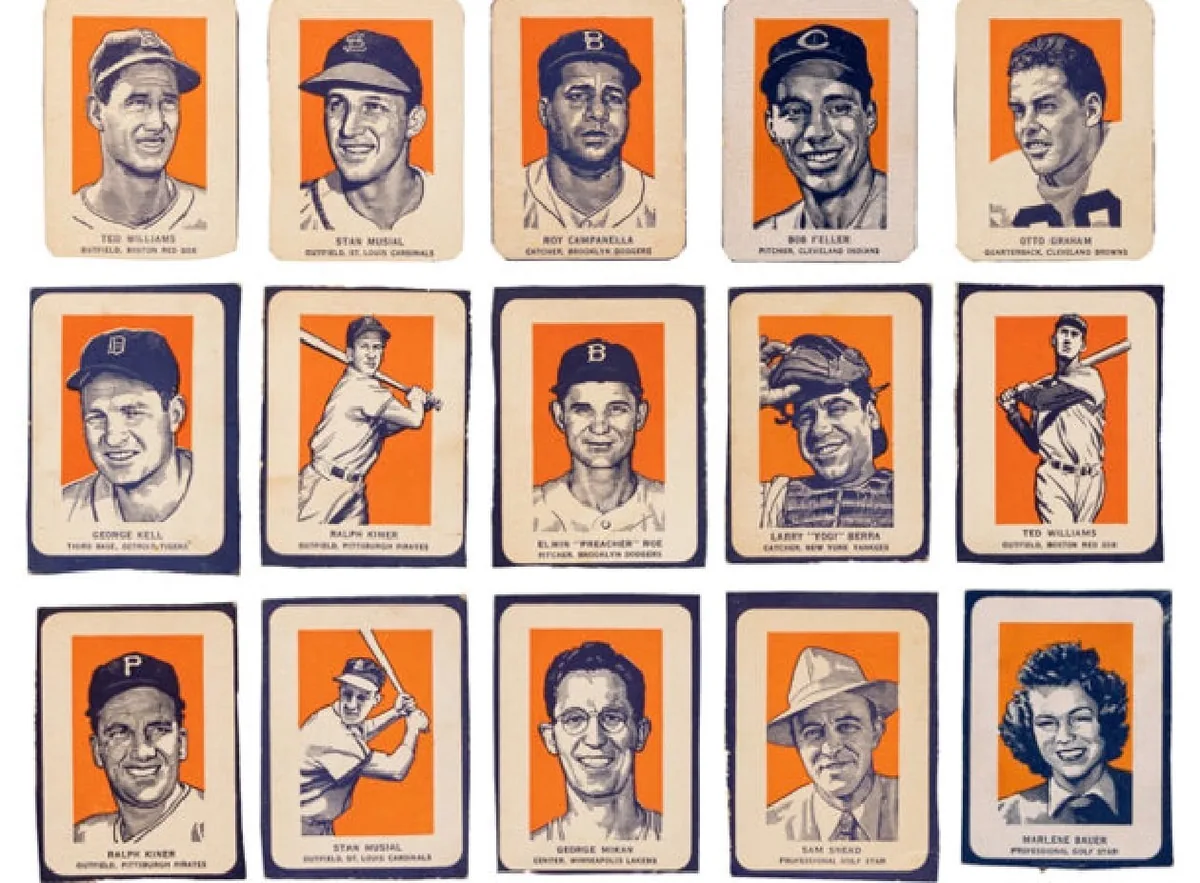
Wheaties put athletes on cereal boxes before almost anybody, and from the mid-1930s on, the backs of those orange boxes doubled as card sheets for a generation of kids. In 1952, that era ended — this set was the final run of Wheaties cards, the last time the Breakfast of Champions asked kids to grab the scissors.
And that’s exactly the problem. The scissors.
Disclosure: This article contains eBay affiliate links. If you buy through them, I may earn a small commission at no extra cost to you — it helps keep this site going.
What is the 1952 Wheaties set?
Sixty cards, hand-cut from the blue backs of Wheaties boxes: 30 champions, each appearing twice — once in a portrait pose, once in action. Each card is about 2” by 2¾” with rounded corners, printed in deep blue against that unmistakable orange background, blank-backed and unnumbered. A box back was a ~9½-inch panel holding a sheet of athletes, and you cut out your heroes yourself.
And it’s not just baseball — this is a true “Breakfast of Champions” set, a 1950s answer to the old Goudey Sport Kings. Ten baseball players share the checklist with football’s Otto Graham and Doak Walker, basketball’s George Mikan, golf’s Ben Hogan and Sam Snead, tennis great Jack Kramer, and more. Ted Williams and Ben Hogan, cut from the same cereal box.
The baseball ten is where the money lives, and the keys are a familiar cast: Ted Williams, Stan Musial, Yogi Berra, and Roy Campanella — each in both poses — plus Bob Feller, Phil Rizzuto, and the rest. Note Williams and Musial: two of the biggest names of the era, in a year when Musial had no Topps card at all.
The scissors problem
Here’s what makes this set a condition catastrophe unlike anything else in 1952: the box backs had no perforation lines. None. Not even dotted guides on most panels. Every single 1952 Wheaties card in existence was freehand-cut by somebody — usually a kid, usually with the dull, rounded safety scissors of the era.
So the surviving population is a museum of childhood scissor skills: cards cut tight, cut crooked, cut into the border, cut with a bite out of one corner where the scissors turned wrong. Grading standards for hand-cut issues account for this, but “well-cut” examples — where a steady hand left the full border — are the genuine prizes. One dedicated collector famously walked into the National Sports Collectors Convention with four days and a plan to finish the set. He left with twelve cards.
The counterfeit warning
One thing you need to know before buying raw: this set was extensively counterfeited around 2002 — badly enough that the Standard Catalog notes it chilled the market for ungraded copies. Real ones show that “cereal box gray” cardboard on the blank back and carry the old-paper feel of seventy-year-old packaging. This is a set where professional grading isn’t just about condition — it’s about authentication. Buy the big names slabbed, or know exactly what you’re looking at.
What are they worth?
The friendly news: this is one of the most affordable ways to own the era’s giants. Commons run around $15–20 in mid-grade, and even the stars — Williams, Musial, Berra, Campanella — are genuinely attainable compared to their Topps and Bowman counterparts. Well-cut, well-graded examples of the keys carry real premiums, and the two-poses structure means completists chase 20 baseball cards, not 10.
The value logic of this whole 1952 series applies one more time: same legends, fraction of the attention, fraction of the price — with scarcity the market never bothered to notice.
My take
There’s something perfect about the Breakfast of Champions going out in 1952 of all years — the exact moment Topps arrived and changed everything. The torch literally passed from cereal boxes to wax packs. And I love that every surviving card carries the fingerprint of the kid who cut it: a crooked border from 1952 isn’t damage, it’s provenance. If you find a stack of these in a collection, look for the well-cut Williams and Musial first, watch out for the 2002 fakes — and appreciate that you’re holding the very last cards Wheaties ever made.
Found some in a collection? Between hand-cut grading standards and the counterfeit history, this set is a case study in why authentication matters. (See “Is It Worth Grading Your Card in 2026?” and “How Card Grading Works in 2026”.)
Explore every 1952 set in the complete 1952 guide →
Related articles
-
1952 Topps Red Backs vs. Black Backs: Which Is Worth More?
A collector’s guide to 1952 Topps red-back and black-back variations — which cards have them,… Read the guide → -
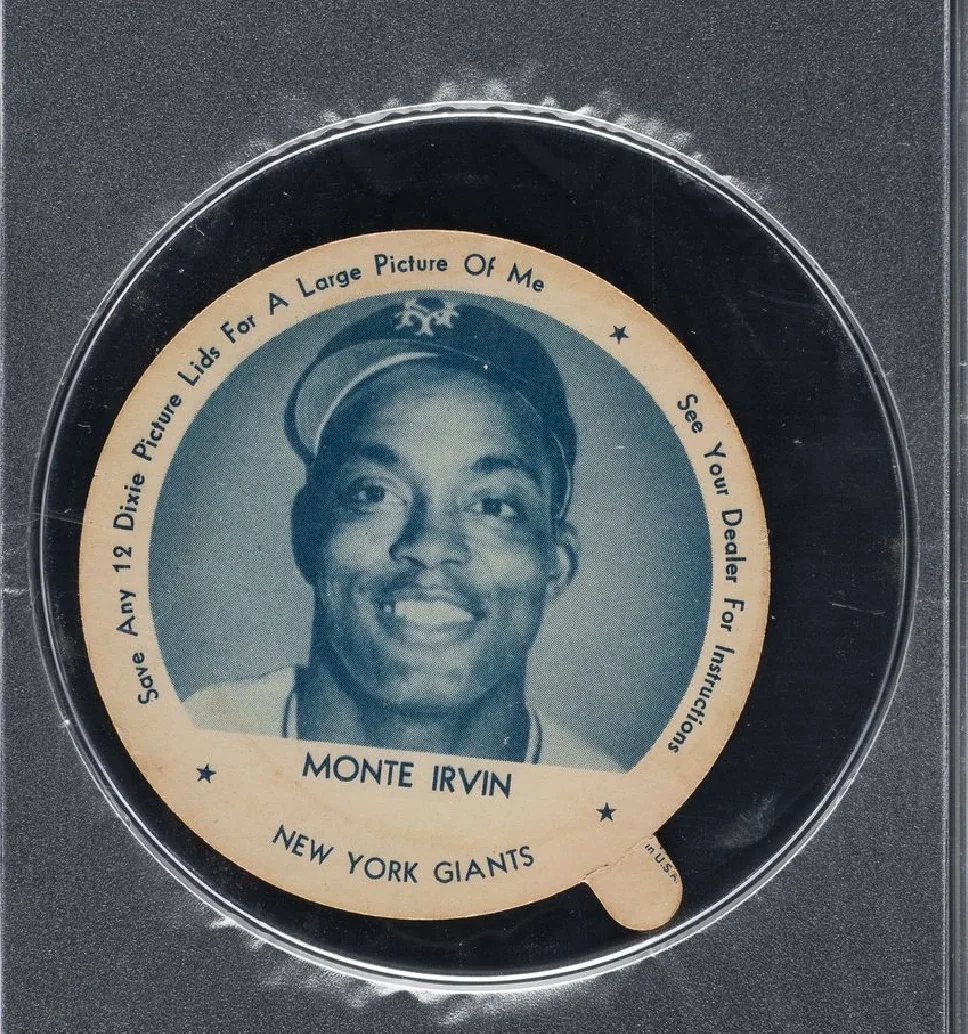
The 1952 Dixie Lids
The 1952 Dixie Lids — a 24-lid ice cream set with just 29 graded examples in existence and no… Read the guide → -
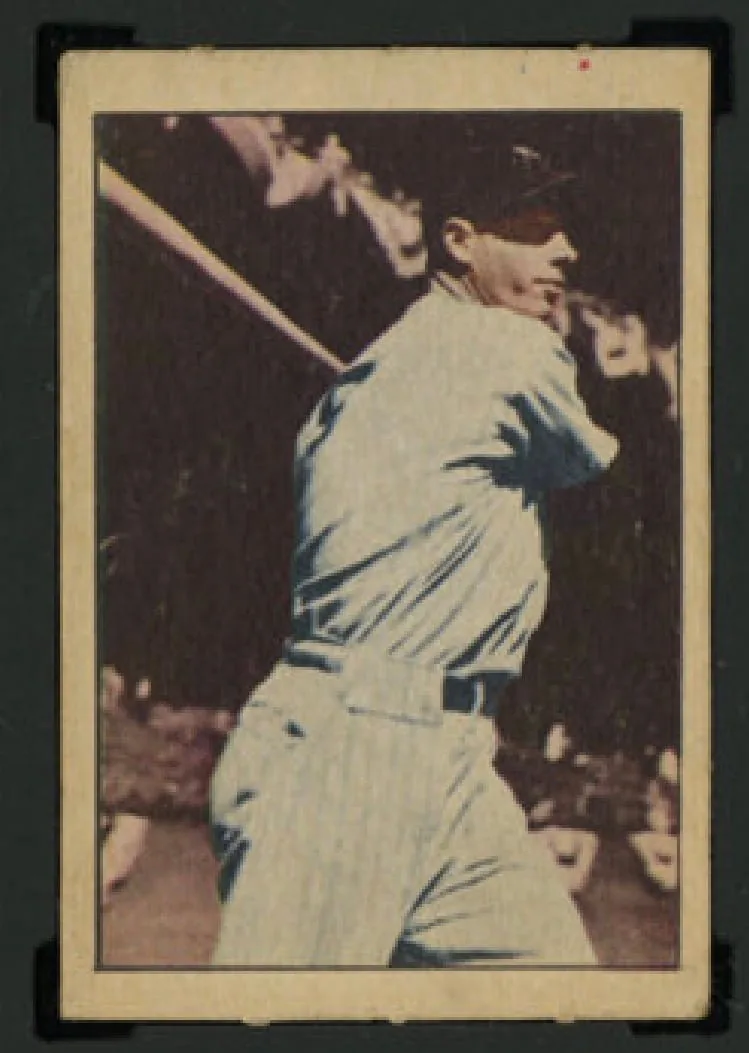
The 1952 Berk Ross Set
The 1952 Berk Ross set — the unlicensed 'bootleg' that gave the hobby its only 1952 Joe DiMag… Read the guide →