The 1952 Dixie Lids
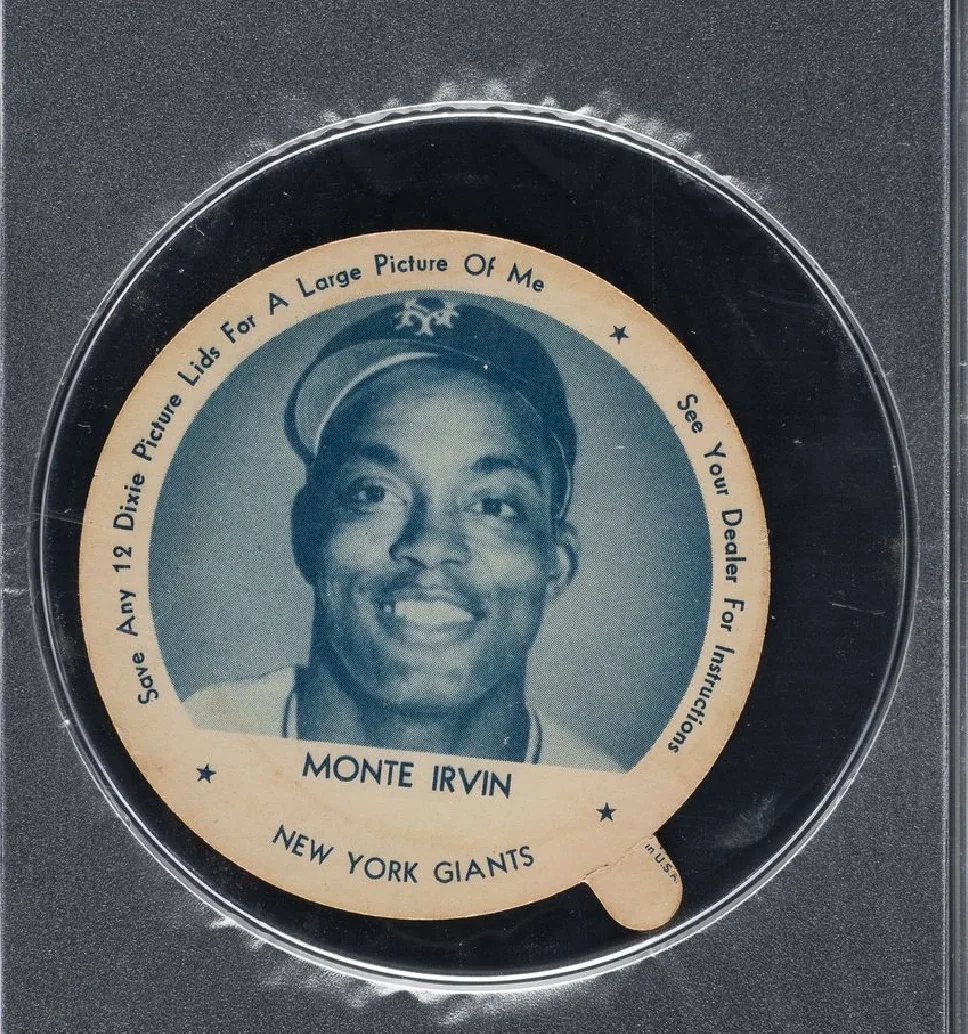
Every article in this 1952 series has been a lesson in scarcity — the 53-copy Dodgers giveaway, the four-card schedule set, the decals designed to destroy themselves. This one beats them all.
The 1952 Dixie Lids: a 24-lid baseball set where PSA has graded twenty-nine examples in total — not per player, total — and where, in seventy-plus years, no complete set has ever been assembled. Not one. The scarcest census of the entire 1952 landscape lived on the underside of an ice cream cup.
Disclosure: This article contains eBay affiliate links. If you buy through them, I may earn a small commission at no extra cost to you — it helps keep this site going.
What are Dixie Lids?
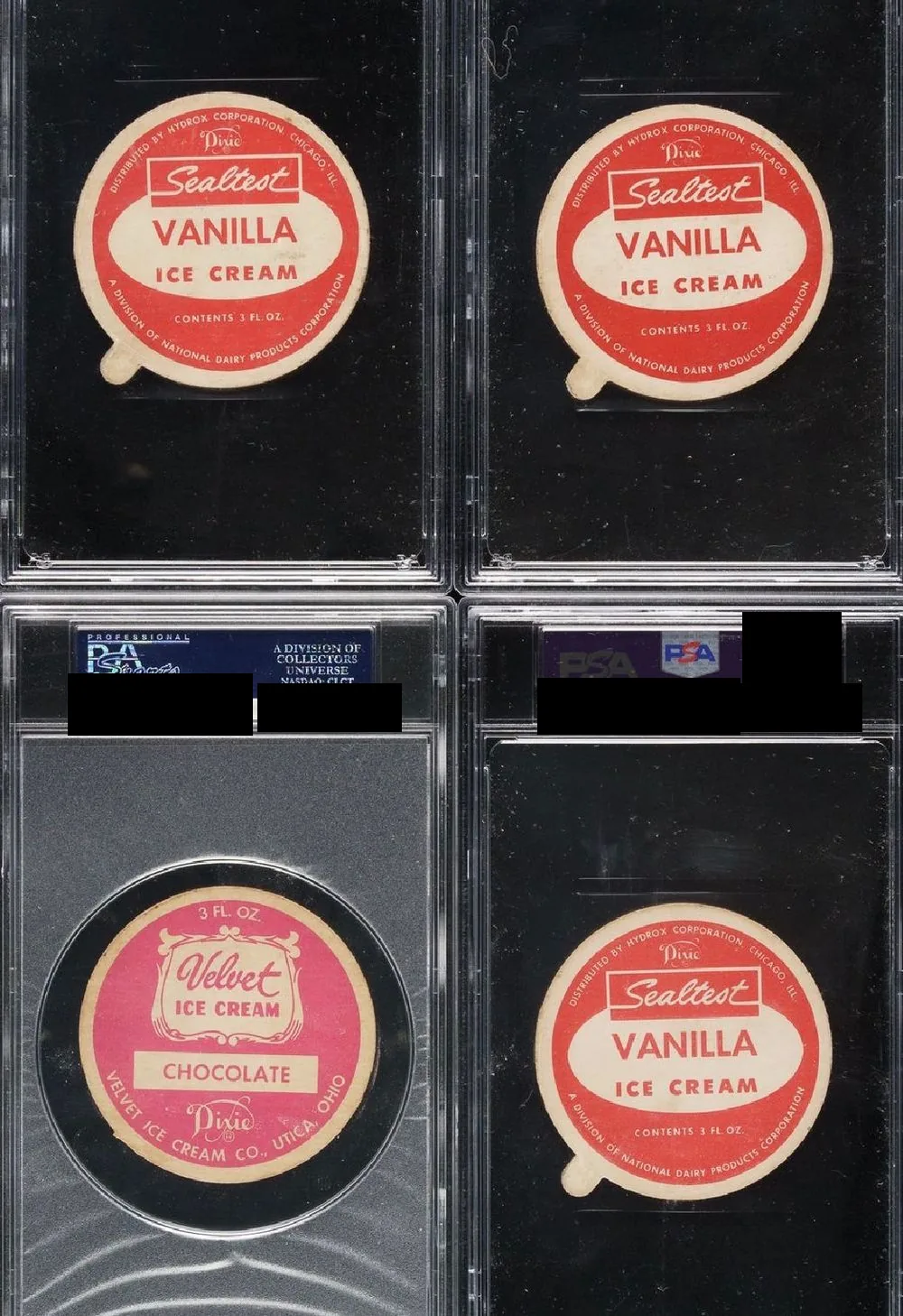
If you’re over a certain age, you remember these instantly. From 1930 to 1954, the little Dixie cups of ice cream sold across America came with a picture printed on the underside of the lid — usually Hollywood and cowboy movie stars, protected from the ice cream by a thin sheet of wax paper. You peeled the lid, peeled the wax paper, and there was your star, looking up at you through a film of vanilla.
In 1952 — the same year Topps launched its first full set — Dixie revived baseball for the lids. Twenty-four players, blue-tinted photos, squared-off portraits with the name and team underneath, each lid roughly 2¾ inches across. Because Dixie made the cups but regional dairies made the ice cream, the top side of each lid carries local dairy advertising — meaning the same player exists with different dairy ads across the country, a variation rabbit hole with no bottom.
And yes — there’s a pull tab, just like the Red Man cards. Tab intact commands the premium; a torn tab costs you roughly a quarter of the value.
The premium program: 12 lids for an 8×10
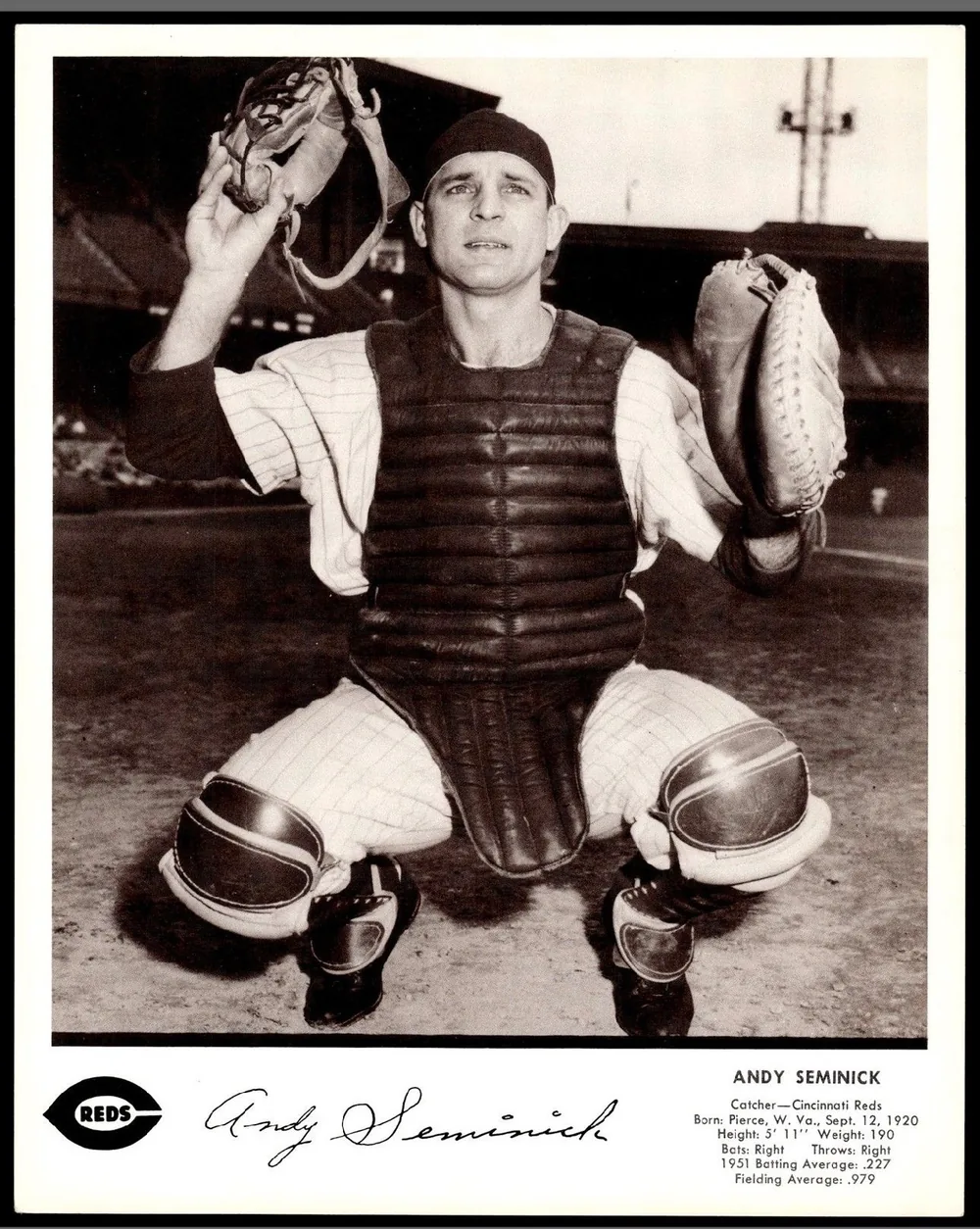
Around each lid ran the pitch: “Save Any 12 Dixie Picture Lids for a Large Picture of Me.” Mail in a dozen lids and Dixie sent back a big 8×10 premium photo — heavy paper, facsimile autograph, the player’s 1951 stats printed on the front. The 1952 premium checklist mirrors the lids.
Here’s the collector’s wrinkle: those mail-in premiums are also rare today — and yet they trade for roughly half the price of the lids themselves. The humble lid, the thing people licked ice cream off of, outvalues the glossy photo it could be redeemed for. Survival is everything.
The census: 29. Twenty-nine.
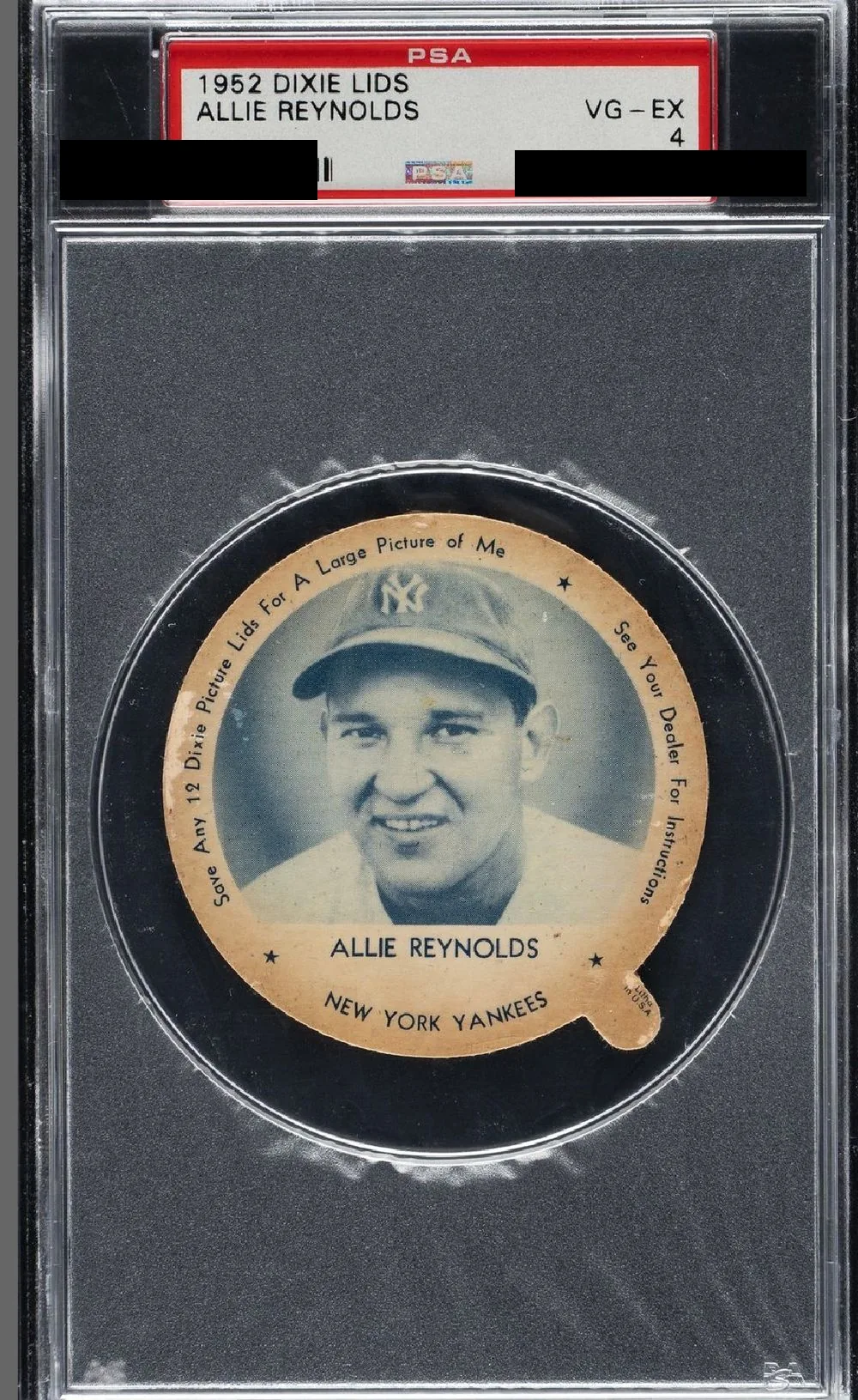
Let that number sit next to everything else from 1952. The Topps Mantle alone: about 1,700 graded. The entire Coca-Cola Playing Tips set: 319. The four-card Dodgers Schedules: 53. The 1952 Dixie Lids, all twenty-four players combined: 29 graded examples.
The set came out very late in 1952, the promotion barely got rolling, and the product itself was a survival nightmare — a piece of waxed cardboard whose job was to sit on ice cream and then hit the trash. Sports Collectors Daily calls it “by far the most rare and expensive of the ’50s sets,” and the record backs it up: a complete set isn’t known to exist. Somewhere out there, 24 lids are waiting to make hobby history, and nobody’s done it yet.
The names to know: Bob Feller, Nellie Fox, and Richie Ashburn are the most expensive when they surface at all. And “when they surface” is doing heavy lifting in that sentence — even modest-wear examples at $50–75 are, in SCD’s words, extremely difficult to find at any price.
What are they worth?
Here’s the strange economics of extreme scarcity meeting low fame: modest-wear lids are valued around $50–75 — genuinely cheap for something with a 29-piece census — precisely because so few collectors know to chase them. The keys run higher, tab-intact examples carry their premium, and any high-grade example is essentially a private treaty between the two people on Earth who want it. There is no meaningful price guide for a set this thin; there are only the handful of sales that happen.
No Mantle, no Mays, no Williams in the checklist — as SCD put it, collectors are still wondering “what if” their ice cream had come with Willie, Mickey, or Teddy Ballgame. It didn’t. What it came with was Feller, Fox, Ashburn, and twenty-one others — and almost none of it survived.
My take
This is the endgame of everything this series has been about. The most famous cards of 1952 exist in the thousands and cost fortunes. The rarest thing of 1952 sat under a scoop of vanilla, cost a few cents, and today has a census smaller than one uncirculated sheet of Topps. If you ever find a Dixie baseball lid in a collection — in a shoebox, stuck in an old album, wax paper still clinging to it — you’re holding something with fewer graded copies than almost anything in the hobby. And if you somehow gather all twenty-four? You’d have the first complete set in history. No pressure.
Found one? With a census of 29, authentication and grading aren’t optional. (See “Is It Worth Grading Your Card in 2026?” and “How Card Grading Works in 2026”.)
Explore every 1952 set in the complete 1952 guide →
Related articles
-
1952 Topps Red Backs vs. Black Backs: Which Is Worth More?
A collector’s guide to 1952 Topps red-back and black-back variations — which cards have them,… Read the guide → -
The 1952 Berk Ross Set
The 1952 Berk Ross set — the unlicensed 'bootleg' that gave the hobby its only 1952 Joe DiMag… Read the guide → -
The 1952 Brooklyn Dodgers Schedule Cards
The 1952 Brooklyn Dodgers Schedule Cards — a four-card Ebbets Field giveaway featuring Jackie… Read the guide →