PSA Paused Cheap Grading. Here Is the New Breakeven Math.
Disclosure: This post contains eBay affiliate links. If you buy through them, I may earn a small commission at no extra cost to you.
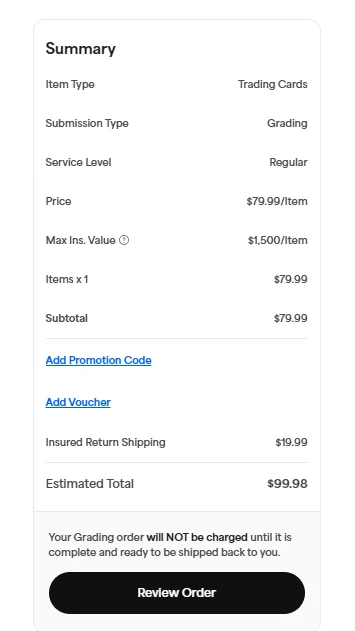
On June 2, 2026, PSA paused its Value tiers — the cheap end of the menu, the tiers that started somewhere in the $25–30 range and made grading an ordinary card an ordinary decision. The company points to a backlog reported in the millions of cards. Whatever the reason, the practical result is simple: as I write this in early July, the cheapest way into a PSA slab is the Regular tier at $79.99 per card, before shipping and insurance.
That’s not a price increase. That’s a different hobby.
I’ve spent forty years watching grading fees move around, and most changes nudge the math. This one breaks it, at least temporarily, for a whole class of cards — and if you have a stack sitting in Card Savers waiting for “when I get around to submitting,” you need to rerun your numbers before you mail anything.
What $80 does to a breakeven grade
Let me show you with round numbers, because the principle matters more than any single card.
Say you’ve got a card that sells for about $100 raw, and recent sold prices run roughly $180 in an 8 and $250 in a 9. (Pull your own numbers from eBay’s sold listings for your exact card — auction results, not the fantasy Buy It Now prices. I wrote up how I pull comps if you want the full method.)
Under the old cheap tier, call it $25 plus about $6 in shipping and supplies: an 8 cleared your costs with room to spare. The card only had to be decent to justify the trip.
At $79.99 plus that same $6, the picture inverts. After a typical ~13% marketplace fee, that 8 now nets you less than selling the card raw and skipping the whole exercise. You need the 9 just to make the submission worth the wait — and if you’ve read my breakeven framework, you know what I call a card that needs its best realistic grade just to break even: a lottery ticket.
The uncomfortable summary: at an $80 floor, PSA grading now only makes sense for cards where the graded premium is large in absolute dollars — key vintage, major rookies, condition-rarity cards. The $75–$200 raw card, the bread and butter of every collector’s “should I grade this?” pile, mostly just lost its PSA case.
Run your own card through my breakeven calculator — it has the current fees for all four major companies loaded, and it’ll tell you the minimum grade your card needs before the submission pays.
The part nobody says out loud: this is an SGC moment
Here’s what the pause doesn’t change: SGC Economy is $20 and SGC Standard is $25, no membership required, and SGC has spent decades building exactly the reputation that matters for the cards this site cares about — pre-1980 vintage. CGC sits at $15–18 at its budget tiers (after its own January price bump), and TAG runs a flat ~$18 with fast turnaround, though its resale market is still maturing.
For vintage specifically, I’ll say plainly what I’ve hinted at across the 1952 guides: the SGC slab has never been a compromise for old cardboard, and at a quarter of PSA’s current entry price, the math has stopped being close. A mid-grade 1952 Red Man or Berk Ross that couldn’t justify $86 of PSA costs can absolutely justify $31 of SGC costs — same card, same buyer pool of vintage collectors who respect the tuxedo slab, breakeven grade a full step or two lower.
Does a PSA slab still bring a premium at sale? For many cards, yes — often quoted in the 10–30% range on comparable grades. But a premium on the sale price has to outrun a 3–4x difference in the fee, and for most mid-value vintage it simply doesn’t anymore. Do that comparison per card, not on vibes.
What I’d actually do right now, by pile
The stack of $50–$200 raw cards you meant to send to PSA. Rerun everything through the calculator against SGC and CGC fees. Most of this pile either switches companies or stays raw. Staying raw is a legitimate answer — I say that as someone who talked myself out of grading a Mantle.
Genuine keys — the cards where a slab adds hundreds or thousands. The $80 tier barely dents this math. If PSA was right for the card in May, it’s still right in July. Mind the turnaround estimates and insure the shipment properly.
Cards you were grading “for protection,” not profit. A Card Saver protects a card. A slab authenticates and monetizes it. If there’s no sale in the plan and no authenticity question, the pause is a good excuse to admit you were buying $80 of plastic peace of mind.
The wait-and-see option. Paused isn’t dead. PSA has cited backlog pressure, and paused tiers can return. If your card’s math only worked at $25–30, there’s no penalty for letting it sit in the box until the cheap door reopens — cards are patient. The one caveat: everyone else made the same calculation, so when a cheap tier returns, expect a stampede and long queues.
The bigger picture for your submission habit
Grading fees have moved one direction for years, with occasional pauses and reshuffles along the way — and every fee change quietly rewrites which cards are “worth grading.” That’s the whole reason I keep the calculator’s fee table as a living file rather than a number in an article: the framework doesn’t change, but the inputs do, and July 2026’s inputs are the most vintage-friendly argument for SGC I’ve seen in a long time.
Be honest about which pile each card is in, run the math against current fees, and let the numbers make the call. That habit costs nothing — which, this summer, makes it the best deal in grading.
Related articles
-
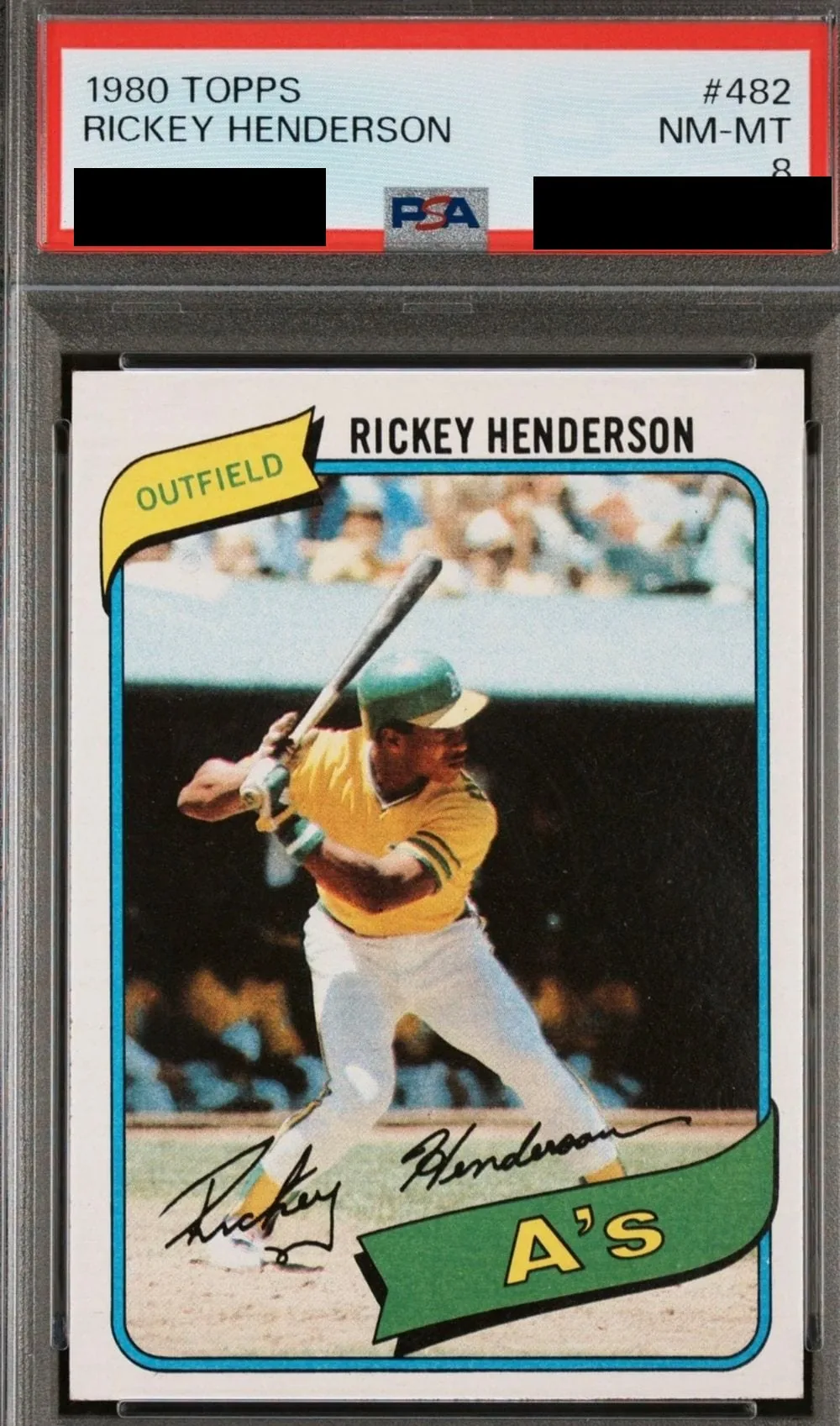
How Card Grading Works in 2026
A start-to-finish walkthrough of how PSA card grading actually works in 2026 — prepping, subm… Read the guide → -
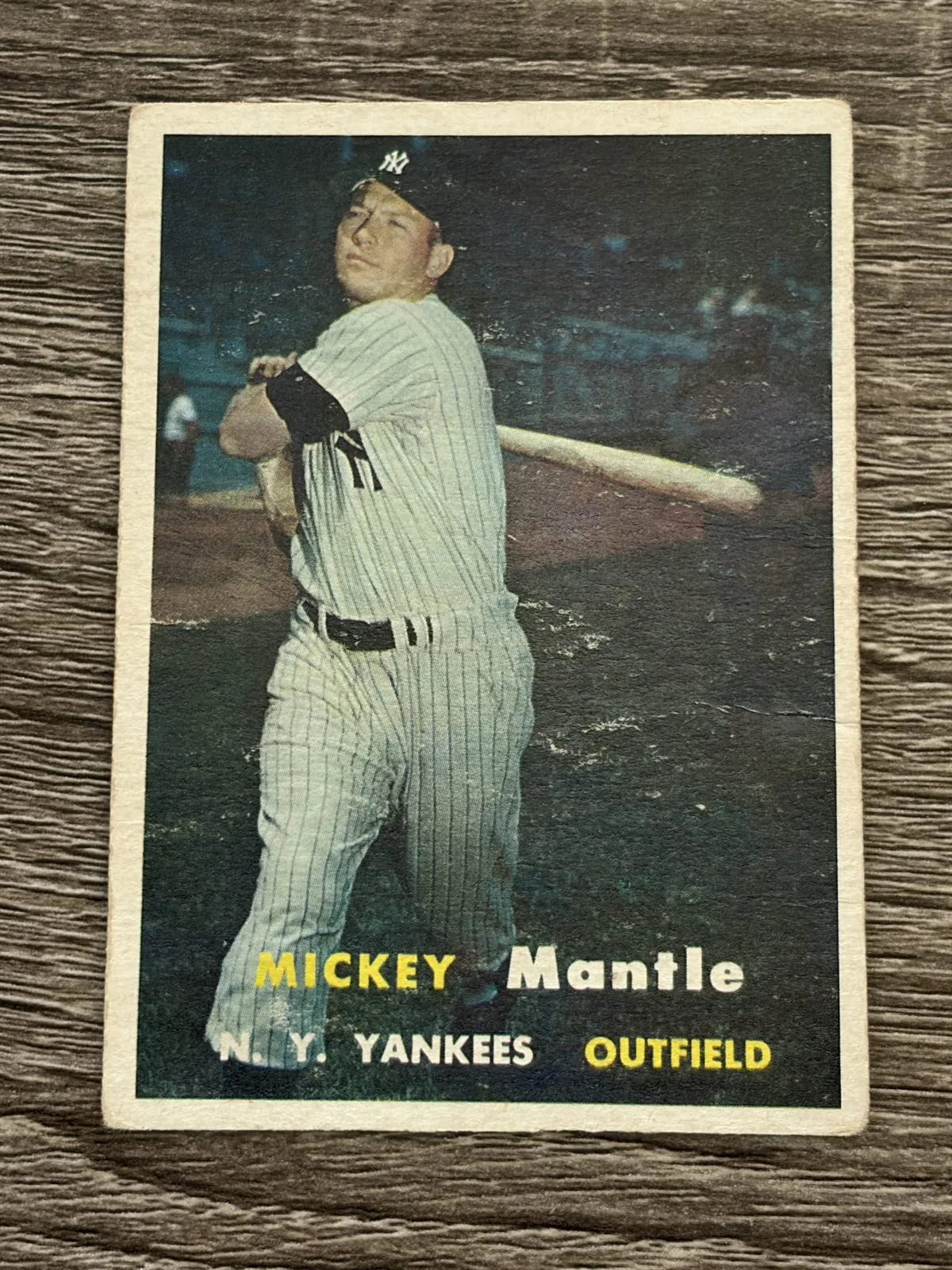
Is It Worth Grading Your Card in 2026?
A real-card breakeven walkthrough on a 1957 Topps Mantle — why the grading fee is not the rea… Read the guide → -
1955 Topps Checklist, Rookies and Complete Set Guide
A practical guide to the 206-card 1955 Topps baseball set, including key rookies, stars, card… Read the guide →